

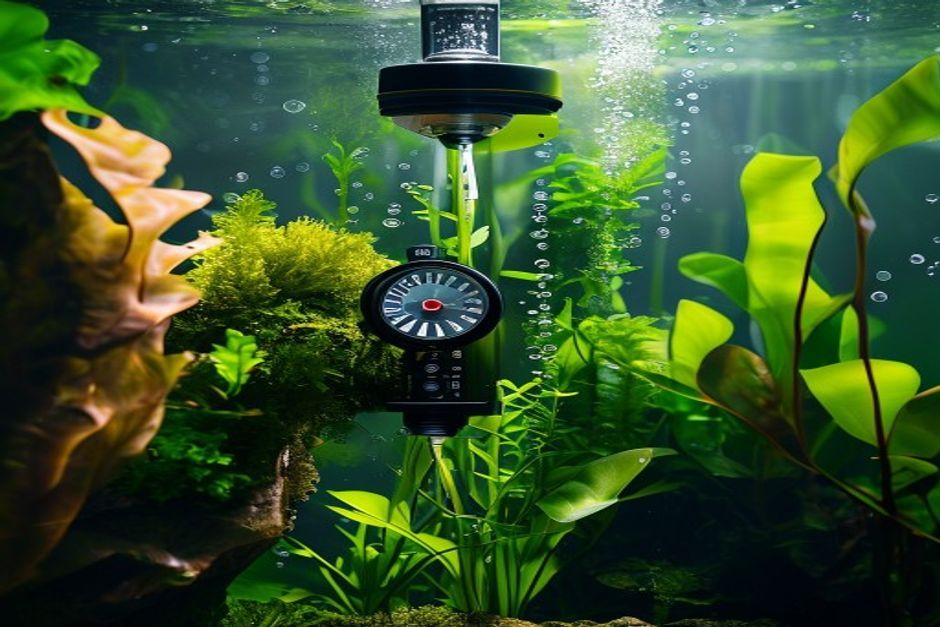
Aquarium Heater Size Guide: Watts Per Gallon Calculation
If you've ever Googled "what size heater do I need for a 20 gallon tank" and gotten ten different answers, you're not alone. Heater sizing isn't a single rule — it depends on your tank volume, the temperature gap between your room and your target, where the heater is placed, and how reliable the brand actually is. Get it wrong and you either fail to hold temperature on a cold winter night, or worse, cook your fish when a stuck thermostat dumps full wattage into a tank that's already at temp.
Temperature stability is critical for the health of your aquatic pets. In the wild, bodies of water change temperature very slowly — oceans and large lakes might shift one or two degrees over a full day. In a small glass box at home, temperature swings can happen in minutes when a heater fails or a window gets opened. Sudden temperature changes stress fish, weaken their immune systems, and trigger outbreaks of diseases like Ich (white spot disease), fin rot, and bacterial infections that often kill within days.
This guide walks through how to size, place, and choose a heater for your specific tank, plus the failure modes that separate the cheap heaters from the ones worth your money.
Calculating Heater Size: The 5-Watts-Per-Gallon Rule
To maintain a stable tropical temperature (usually 76 to 78°F / 24 to 25.5°C) in a standard home environment, the general rule of thumb is 5 watts of power for every 1 gallon of water volume. This assumes your room temperature stays around 68 to 72°F. If your fishkeeping room runs colder — an unheated basement, a garage, or a chilly office — you'll need to step up to 7.5 or even 10 watts per gallon.
Conversely, if you keep your tank in a consistently warm room (think 75°F+ year-round), you can often get away with 3 to 4 watts per gallon, since the heater barely needs to work.
Heater Sizing by Tank Volume (Standard Room, ~70°F)
- 5 gallon tank: 25 watt heater (a single mini heater is plenty)
- 10 gallon tank: 50 watt heater
- 20 gallon tank: 100 watt heater
- 29 gallon tank: 150 watt heater
- 40 gallon tank: 200 watt heater
- 55 gallon tank: ~300 watts (often safer as two 150W heaters for redundancy)
- 75 gallon tank: ~400 watts (typically two 200W heaters)
- 125 gallon tank: ~600 watts (two 300W heaters)
Not sure of your tank size? Tank manufacturers often round dimensions, so a "29 gallon" can be anywhere from 27 to 30 actual gallons. Check our Aquarium Volume Calculator first to get a precise number before sizing the heater — it makes a real difference at the borderline between two wattage tiers.
Why Two Smaller Heaters Beat One Large One
For tanks 40 gallons and up, splitting your wattage across two heaters is one of the best safety upgrades you can make in fishkeeping. Here's why:
- Failure redundancy. If one heater fails OFF in winter, the second can still maintain at least 70°F until you notice and replace it. With a single heater, a failure means a complete temperature crash.
- Stuck-on protection. Heaters fail in two ways: stuck off (cold tank) or stuck on (cooked tank). A 300W heater stuck on in a 55 gallon tank can push temperature into the 90s within hours. Two 150W heaters mean even the worst-case stuck-on heater only delivers half the heat — usually slow enough to catch.
- More even heating. Place one heater on each end of the tank to eliminate cold spots.
Aquarium Heater Placement for Consistent Temperature
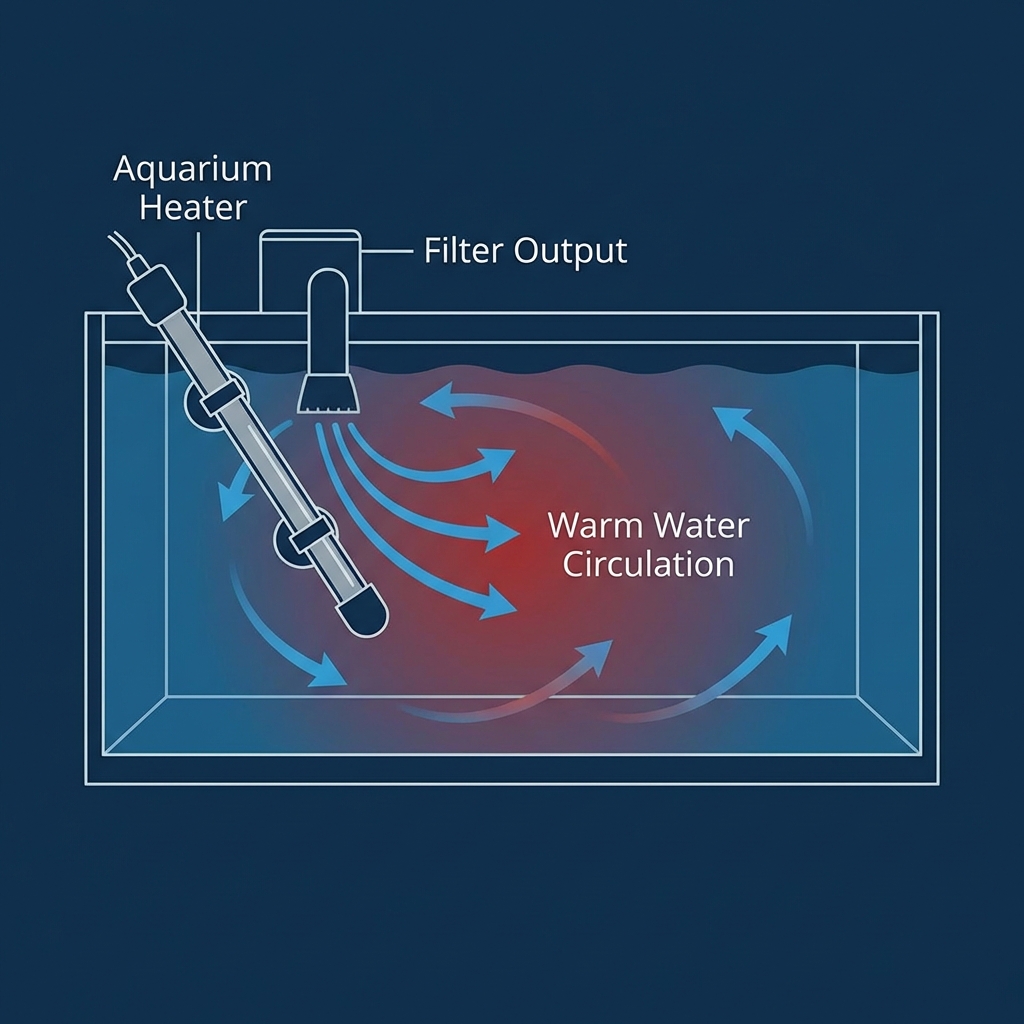
You can buy the best heater in the world, but if you put it in a "dead spot" with no water flow, it won't work correctly. The heater should always be placed near the filter output or in the stream of a circulation pump. This ensures the heated water is quickly distributed throughout the entire tank, rather than creating a hot spot around the heater itself while the rest of the tank stays cold.
Three placement rules every aquarist should follow:
- Submerge fully when possible. Most modern heaters are rated for full submersion. A heater half out of water risks cracking the glass when the dry portion overheats.
- Angle horizontally near the bottom. Heat rises. Mounting horizontally low in the tank lets warmed water flow upward across the entire water column.
- Keep gravel and decor away from the glass tube. Substrate piled against a heater traps heat and can cause the glass to crack. Leave at least an inch of clearance.
Target Temperatures by Fish Species
Most freshwater community fish are happy in the 76 to 78°F range, but several popular species need warmer or cooler conditions. Match your heater target to your stock list:
- Discus: 82 to 86°F — the warmest commonly kept community fish. Plan for higher wattage and back-up heaters.
- Bettas: 78 to 82°F — cooler temperatures suppress their color and immune system.
- Goldfish: 65 to 72°F — in many homes you don't need a heater at all, just a thermometer to confirm.
- Tetras, Rasboras, Corydoras: 74 to 78°F — standard tropical community range.
- African Cichlids (Mbuna, Peacocks): 76 to 82°F.
- Angelfish: 78 to 82°F — on the warmer end of the community range.
For mixed tanks, set the heater to the highest temperature any species in the tank tolerates — not the average. Most cooler-water fish handle 78°F fine, but a Discus at 76°F will slowly weaken and become disease-prone. See our Stocking Guide for compatible temperature groupings.
Heater Types: Which Should You Buy?
You'll see four main heater categories at any aquarium store:
- Submersible glass heaters (most common): Fully submersible glass tube with adjustable thermostat. The Eheim Jager and Fluval E-Series are the gold standards. Reliable, affordable, easy to find. Best choice for 90 percent of hobbyists.
- Titanium heaters with external controllers: A titanium heating element submerged in the tank, paired with an Inkbird or external digital thermostat. The most accurate and most break-resistant option, but pricier and overkill for casual hobbyists.
- Mini "preset" heaters: Non-adjustable, fixed at 78°F. Common in betta starter kits. Fine for nano tanks if the preset matches your needs, but you can't tune them for sick fish (some treatments require raising temperature to 86°F).
- In-line canister heaters: Plumbed into the canister filter return hose, completely hidden from view. Beautiful for aquascapes, but they fail catastrophically if filter flow stops — the empty heater can scorch the hose and start a fire. Use only with reliable canisters and a flow alarm.
Common Heater Mistakes and Failures
Cheap heaters are the #1 cause of tank crashes — not because they're slightly less accurate, but because they fail in dangerous ways. Watch out for:
- Trusting the dial. Heater thermostats drift over time. The dial says 78 but the water is actually 74. Always cross-check with an independent digital thermometer and adjust the dial empirically.
- Buying based on box wattage rating alone. A "100W" heater from an unknown brand might actually deliver 80W and fail within six months. Spend a bit more on a known reliable brand — you're trusting it with the lives of every fish in your tank.
- Skipping the unplug-before-water-change step. If the heater is exposed to air while still hot, the temperature shock when water returns can crack the glass. Modern heaters auto-shutoff when removed from water, but older ones don't — always unplug 15 minutes before any water change.
- Ignoring the warranty period as a clue. A 30-day warranty tells you the manufacturer doesn't trust their own product. A 3-year warranty is a real signal of reliability.
- Running heaters past their lifespan. Most aquarium heaters last 3 to 5 years. After that, the thermostat reliability drops sharply. Replace preventively, not after a failure kills your fish.
Troubleshooting: Heater Not Holding Temperature
If your tank temp is wrong, work through this checklist before buying a new heater:
- Verify with a second thermometer. The first question is whether the heater is actually wrong or your thermometer is.
- Check the indicator light. Most heaters have a light that glows when actively heating. If it's stuck on (with the tank already warm) or stuck off (with the tank cold), the thermostat has failed.
- Confirm placement. Is the heater fully submerged? Is the filter circulating water past it? Move it closer to the filter return.
- Adjust the dial. If the dial reads 78 but the tank is 76, set it to 80 to compensate. If you have to push it past 84 to hit 78, the heater is dying.
- Check the wattage. An undersized heater will run constantly and still lose ground on cold nights. Re-check the watts-per-gallon math against your actual tank volume on the volume calculator.
Frequently Asked Questions
Do I really need a heater for a goldfish tank?
Usually no. Goldfish are coldwater fish and thrive at 65 to 72°F — right around typical room temperature in most homes. Only add a heater if your room drops below 60°F in winter, and even then, set it to 65°F as a floor, not a target.
Can a heater be too powerful for a tank?
Yes. An oversized heater (say, a 300W heater on a 10 gallon tank) heats water faster than the thermostat can react. If the thermostat sticks even briefly, the tank can overshoot dangerously. Stay close to the 5W/gallon rule rather than buying the biggest one in stock.
How long does an aquarium heater last?
Quality glass heaters typically last 3 to 5 years of continuous use. Cheap heaters often fail in under a year. Replace preventively after 4 years, even if the heater still seems to work — the thermostat accuracy degrades long before total failure.
Why does my new heater keep clicking?
Most submersible heaters click softly as the bimetal thermostat opens and closes. This is normal. Loud, frequent clicking (every few seconds) suggests the heater is undersized for the tank or there's poor circulation around it.
Should I turn off my heater during a water change?
Yes. Always unplug the heater 10 to 15 minutes before draining the tank. Exposing a hot heating element to air can crack the glass and shock the heater. Plug it back in only after the water level fully covers the unit.
What's the safest heater brand for beginners?
Eheim Jager has decades of reliability in the hobby and is the most commonly recommended adjustable submersible heater. Fluval E-Series adds an LCD display and dual-temperature sensors for slightly more money. Both are widely available and have multi-year warranties.
Precision Heating Recommendation
We recommend adjustable heaters like the Eheim Jager for precision and safety. Cheap heaters are the #1 cause of tank crashes!
Check Price of Eheim Jager Heaters